A Sherwood & Sage Blog Post
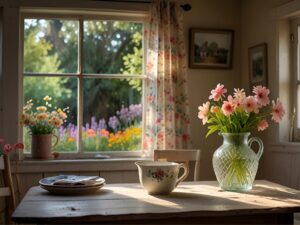
When people hear “slow living,” they picture a cottage. A woman in a linen apron pulling bread from an oven. Soft morning light, no notifications, a garden that somehow tends itself. A life that looks nothing like most of our actual lives.
And I get it. That image is genuinely appealing. But it is also not what slow living is, at least not the version that I have been building.
I want to talk about what it actually means, because I think the cottage fantasy keeps a lot of people from realizing they could start right now, exactly where they are.
What I Was Doing Before
For a long time I moved through my days like I was running behind something I could never quite catch.
I was efficient. I was productive. I crossed things off lists and added new things before the ink was dry. I ate fast, thought fast, talked fast. I did not really notice the speed because everything around me was moving at the same pace and that felt normal.

But underneath the busyness there was this persistent, low-level feeling of missing something. Not anything specific. Just the sense that I was passing through my own life without actually being in it.
That is the thing speed does that nobody talks about. It does not rush your days. It puts a film between you and them.
The Moment Something Shifted
I cannot point to a single dramatic turning point. It was quieter than that.
It was noticing how good it felt to sit on our porch oasis without my phone for twenty minutes. It was the first time I made something with my hands, really made it, with attention, and felt more settled afterward that I had in weeks. It was starting to pull a tarot card in the morning and realizing that five minutes of genuine stillness changed the whole texture of my day.
Small things. But they added up to a direction.
I started moving toward the things that made me feel more present and away from the things that made me feel like I was just getting through.
What it Actually Is
Slow living is not about doing less. Not really.
It is about doing things with more of yourself in them.
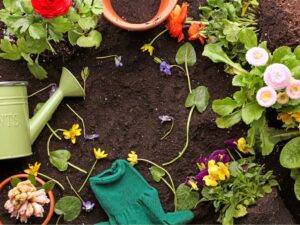
It is the difference between eating lunch while scrolling and eating lunch while actually tasting your food. Between rushing through the garden to check on things and actually stopping to look at what is growing. Between having a conversation and being in one.
The pace can actually stay the same. What changes is the quality of your attention.
I still have busy days. I still have weeks that feel like too much. Slow living has not made my life simpler in the logistical sense – I still have responsibilities and a to-do list and things that need doing. But I have gotten better at noticing when I am running on autopilot and choosing to come back.
That choice is the practice.
What It Is Not
It is not a privilege reserved for people with more time or more money or more space.
I hear this sometimes and I understand it. The curated version of slow living that lives on social media does look expensive. The linen and the pottery and the perfectly imperfect farmhouse. But that is an aesthetic, not a practice.
Slow living is available on a Tuesday morning when you take three extra minutes with your coffee before the day starts. It is available on a walk where you actually look at things instead of listening to a podcast. It is available any time you choose presence over performance, even briefly.
It is also not laziness. This one matters to me because I spent a long time in environments that treated rest as weakness and stillness as waste. Choosing to slow down felt uncomfortable for a long time because I had internalized the idea that my worth was tied to my output.
It is not. Yours is not either.
How It Shows Up in Ordinary Days
For me, slow living looks like a lot of small choices.
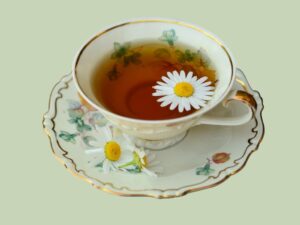
It looks like making tea properly instead of grabbing it on the way out the door. Like putting my phone in another room in the evenings. Like cooking with my husband because we enjoy it, not just because we need to eat. Like letting myself sit outside for a few minutes when the light is nice, even when there are things that I should be doing.
It looks like building a business around things I actually care about, with my daughter beside me, at a pace that does not crush us.
It looks like growing things. Making things. Writing things. Tending to the people and creatures I love.
None of that requires a cottage. It just requires choosing it, again and again, in whatever small ways your actual life allows.
Where to Start
If slow living sounds appealing but you are not sure where to begin, I would suggest starting with one thing.
Not a routine. Not a lifestyle overhaul. Just one thing that brings you back to yourself. Something that asks you to be present. Something that feels like your real life instead of a performance of it.
Do that thing a little more deliberately. See what happens.
The rest tends to follow.
If you’re looking for a small way to start paying attention to your own days, our Self-Care Journal Pages Bundle has a gratitude page and a self-care checklist built for exactly that kind of noticing.
What does slow living look like in your life – or what would you want it to look like? I would genuinely love to hear. Leave a comment below.