I don’t talk about Grace Sherwood as often as I probably should, given that half our name is hers.
It’s easy to let her become shorthand, a line in and About section, a nice bit of lore on the homepage. But she was a real woman who really lived, and the more I sit with her story, the more I think she has more to teach me than a tagline can hold.
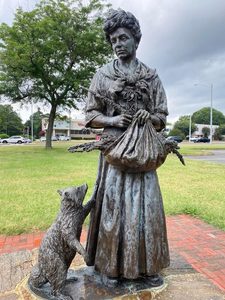
Who She Actually Was
Grace Sherwood was born around 1660 in colonial Virginia, in what’s now Virginia Beach. She was a farmer. A midwife. A healer who grew her own herbs and used them to tend her neighbors and their animals when something was wrong. By most accounts, she was intelligent, plainspoken, and stubborn in the way people usually mean as a compliment once enough time has passed. She wore pants to work her land. She spoke up for herself. She cared, deeply and visibly, for animals.
None of that sounds unusual now. In 1706, it was apparently unusual enough to be dangerous.
What They Accused Her Of, and Why
Her neighbors accused her of witchcraft, transforming into a cat, ruining crops, things that had nothing to do with who she actually was and everything to do with how uncomfortable she made people. She was capable. She was self-sufficient. She didn’t need much from anyone, and she didn’t pretend otherwise. That was apparently enough.
She was subjected to a water trial in the Lynnhaven River, the kind where surviving was used as proof of guilt rather than innocence. Before they put her in the water, she is said to have told them plainly, “I be not a witch. I be a healer.” She was right. They convicted her anyway.
What Survived
Here’s the part I actually think about most. She lived to be about 80 years old. She kept her land. She kept healing, kept tending, for decades after the trial that was supposed to define her. The accusation didn’t get the last word. Her life did.
Virginia formally pardoned her 300 years later, in 2006. There’s a statue of her now in Virginia Beach, a raccoon at her side and rosemary in her basket, rosemary she’s said to have carried across the ocean in an eggshell, the kind of detail that sounds like a small miracle because, honestly, it might as well have been one.
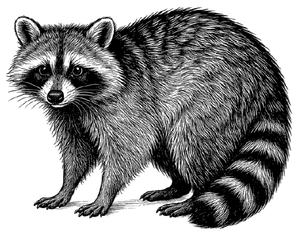
Ways to Tend Like Grace Sherwood
I don’t think honoring her needs to be loud, or witchy, or performed for an audience. I think it looks a lot like the ordinary things she actually did.
Grow one herb, even if it’s a single pot on a windowsill. Learn what one plant in your own yard is actually good for. Care for an animal like it matters, because it does. Make something with your hands instead of buying it, even something small. And the harder one: stand quietly in who you are, even on the days someone else decides that’s inconvenient for them.
Why We Carry Her Name
We didn’t build Sherwood and Sage to sell witchcraft. We built it because a woman in our line was called dangerous for being capable, for growing things, for healing people, for being fully herself in public. And she kept doing it anyway, for another 34 years, until she died an old woman on her own land.
That’s the whole inheritance, really. Not spells. Just the quiet, stubborn insistence on tending what matters, regardless of who’s watching or what they decide to call you for it.
Grown from old roots. Made for everyday magic.
Do you have an ancestor whose story quietly shapes how you live now, even if you rarely say their name out loud? I’d love to hear about them, drop a line in the comments.
Visit our shop for digital journals, and handmade small wonders.