A Sherwood & Sage Blog Post
You do not need a garden to grow something.
That is the thing I wish I had realized earlier. Do you have a windowsill? It turns out, that’s a great place to start.
There is something about having a living plant in the house that shifts the air a little. Something that softens a room. I think it is because it is asking something of you. Just a little water, just a little attention, and in return it grows. That quiet exchange feels good in a way that is hard to explain but easy to feel.
These five herbs are the ones I come back to. They are forgiving of beginners, useful in daily life, and small enough to live happily in a pot on a sill.
1. Lavender
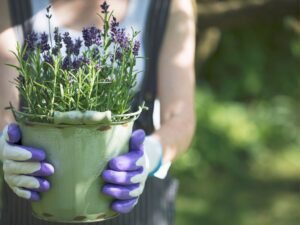
Lavender is the one I reach for first because it gives you more than one thing.
It grows slowly and does not demand much, but it rewards patience with soft purple blooms that smell like every good memory you have of being calm. In the kitchen, dried lavender goes into baked goods and honey and tea. In the rest of the house, a small bunch tied with twine in a drawer makes everything feel tended.
It likes a sunny windowsill and does not like wet feet. Let the soil dry out a little between waterings. A south-facing window is ideal. If it gets leggy, do not panic, just trim it back and it will fill out again.
Dried lavender bundles also make beautiful small gifts if you ever want to tuck something handmade into a package.
2. Mint
Mint is the overachiever of the windowsill herb world. Grow it in its own pot. It will take over anything it shares soil with, and then mostly just try to keep up with it.
It wants water regularly and is not fussy about light, which makes it one of the easier ones to keep alive. Fresh mint in tea is one of those simple pleasures that costs almost nothing and feels like a small luxury every single time. It is also lovely in water, in cooking, and in a small bowl on the counter just because it smells good when you brush past it.
Spearmint is milder and good for tea. Peppermint is sharper and what you want for anything medicinal or cooling. Either one will do well on a windowsill and both will spread with enthusiasm if you let them.
3. Basil
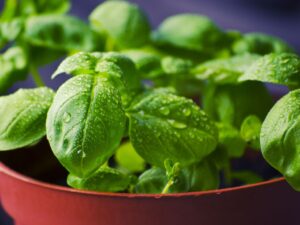
Basil is the one that feels most alive. It grows fast, smells incredible, and is deeply satisfying to harvest. You pinch off a few leaves and it grows back fuller. It rewards regular picking, which is a nice lesson for a plant to teach.
It needs warmth and good light, so a sunny windowsill is important. It does not like cold drafts, so keep it away from windows that let in winter air. Water it when the top of the soil feels dry and do not let it sit in standing water.
Sweet basil is the classic and the most useful for cooking. If you only grow one herb in your kitchen, basil gives you the most immediate reward.
4. Rosemary
One of our favorites. Rosemary is the herb I think of as steadfast. It is slow to grow and slow to change, which makes it a good companion for people who are practicing patience.
It likes a sunny spot and dry conditions. Rosemary comes from the Mediterranean and remembers it. Water sparingly and make sure the pot drains well. Once it is settled, it asks for very little and gives you a lot.
Rosemary in cooking is obvious and wonderful. But there is also something about bruising a sprig between your fingers and breathing it in that feels grounding in a way I cannot fully explain. It is one of those scents that seems to clear something.
A rosemary plant in a pretty pot on a windowsill is also genuinely beautiful. It earns its place on aesthetics alone.
5. Chamomile
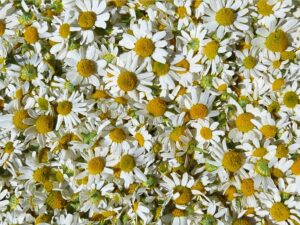
Chamomile is the softest one and the one most connected to rest.
It is a little more delicate than the others and grows best from seed rather than a cutting, but it is worth the patience. The small white daisy-like flowers are the parts you use — dried for tea, dried for sachets, or just admired in the afternoon light because they are very sweet.
Chamomile tea made from flowers you grew yourself is one of those small things that feels disproportionately lovely. It is the kind of ritual that costs almost nothing and connects you to something older and slower than most of daily life.
It likes moderate sun and consistent moisture. It will let you know if it is unhappy by drooping dramatically, but it recovers quickly once you water it.
A Note on Growing Slowly
There is a temptation, especially at first, to want the herbs to grow faster. To check on them too often. To worry that nothing is happening.
Something is always happening. Roots are settling, leaves are thickening, the plant is figuring out its new home. Growth does not always like like growth from the outside.
That is true of a lot of things.
Give your windowsill herbs a little time and a little water and mostly just leave them alone. They will do the rest.
What You Will Need to Get Started
You do not need much. A pot with a drainage hole, a bag of good potting mix, and either seeds or a small starter plan from a garden center. A sunny windowsill. Water when they are thirsty.
If you want to go deeper with any of these, Rosemary Gladstar’s Herbal Recipes for Vibrant Health is the book I keep coming back to. It’s approachable even if you’ve never grown or worked with herbs before, and it’s usually the first thing I recommend to anyone just starting out. Find it on Bookshop.org – it supports independent bookstores instead of the big guy.
If you want a simple way to keep track of what’s growing on your windowsill (or anywhere else), the Slow Garden Planner has a few pages built just for that: watering rhythm, what worked, what you’d try again next time. Shop the planner here, no pressure, just a little help remembering what you planted where.
Do you grow anything on a windowsill? I would love to know what you have going. Leave a comment below.